 Shafeen Alam
Leadership
Raising the ceiling on what a team can attempt.
I have led design teams and I have led as a principal individual contributor, and I have never stopped doing the work in either mode. Managing designers taught me that the fastest way to raise a team's ceiling is to set the standard on the hardest surface yourself, then make that standard reproducible as a system, a critique habit, and a shared vocabulary with engineering.
Where I have led
I have led design at seven companies. At Chegg, Realtor.com, Asurion, BlackBerry, and VoyceMe I led designers directly, teams of three to twelve, and stayed in the work the whole time rather than moving into pure management. At Envoy and Interpres I led as a principal individual contributor. The two most recent have full case studies attached, so those claims are checkable.
Pre-seed, about 15 people. The only designer, partnered directly with the CTO, Head of Product, and five engineers. Owned the audit, the design system, the accessibility standard, and the 0 to 1 AI assistant.
Enterprise, multi-location accounts across web and mobile. Led the change from one-way emergency broadcast to a state-driven coordination platform, and led two connected compliance governance initiatives.
Leading design teams
Five roles where I managed designers while staying hands-on in the work, most recent first. Thirty-two designers across the five. Happy to walk through any of them.
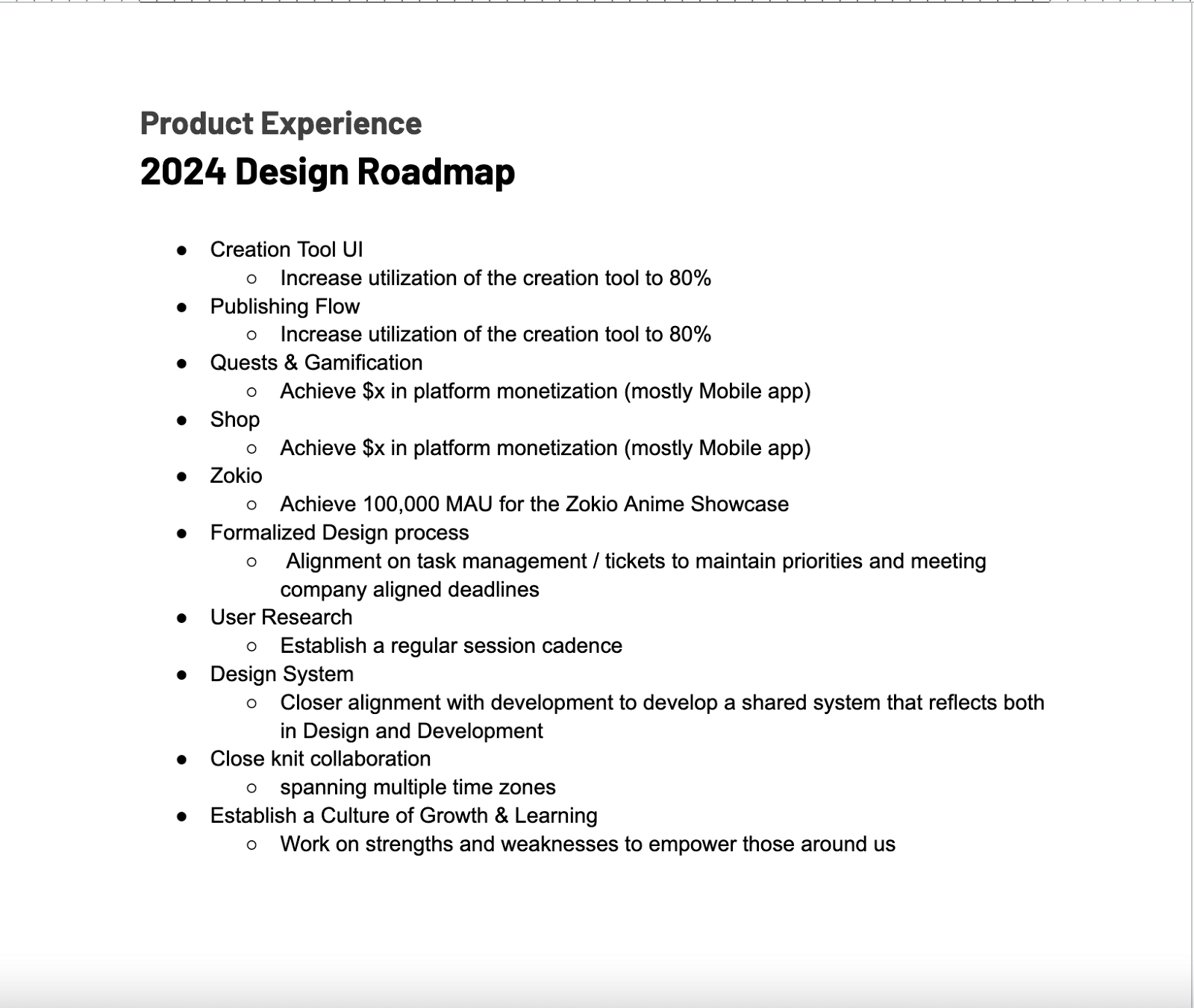
 Lead Product Experience Designer
Led a team of 3 · player coach · 3 month contract
A 3-month contract as player-coach on a small creator platform team.
40initiatives scored and ranked4weighted goals set up front
Read the case study
02
Lead Product Experience Designer
Led a team of 3 · player coach · 3 month contract
A 3-month contract as player-coach on a small creator platform team.
40initiatives scored and ranked4weighted goals set up front
Read the case study
02
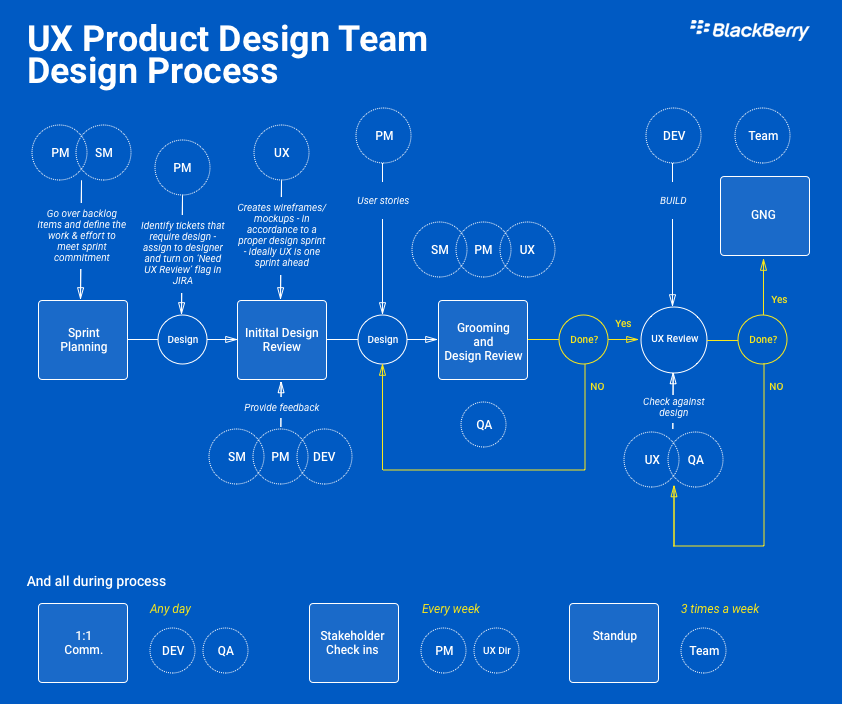
 Director of Product Design, Cybersecurity
Led a team of 12 · hands-on
Built and led the cybersecurity design org from the ground up.
3 12designers, five countries6 yearstwo director roles
Building the team
03
Director of Product Design, Cybersecurity
Led a team of 12 · hands-on
Built and led the cybersecurity design org from the ground up.
3 12designers, five countries6 yearstwo director roles
Building the team
03
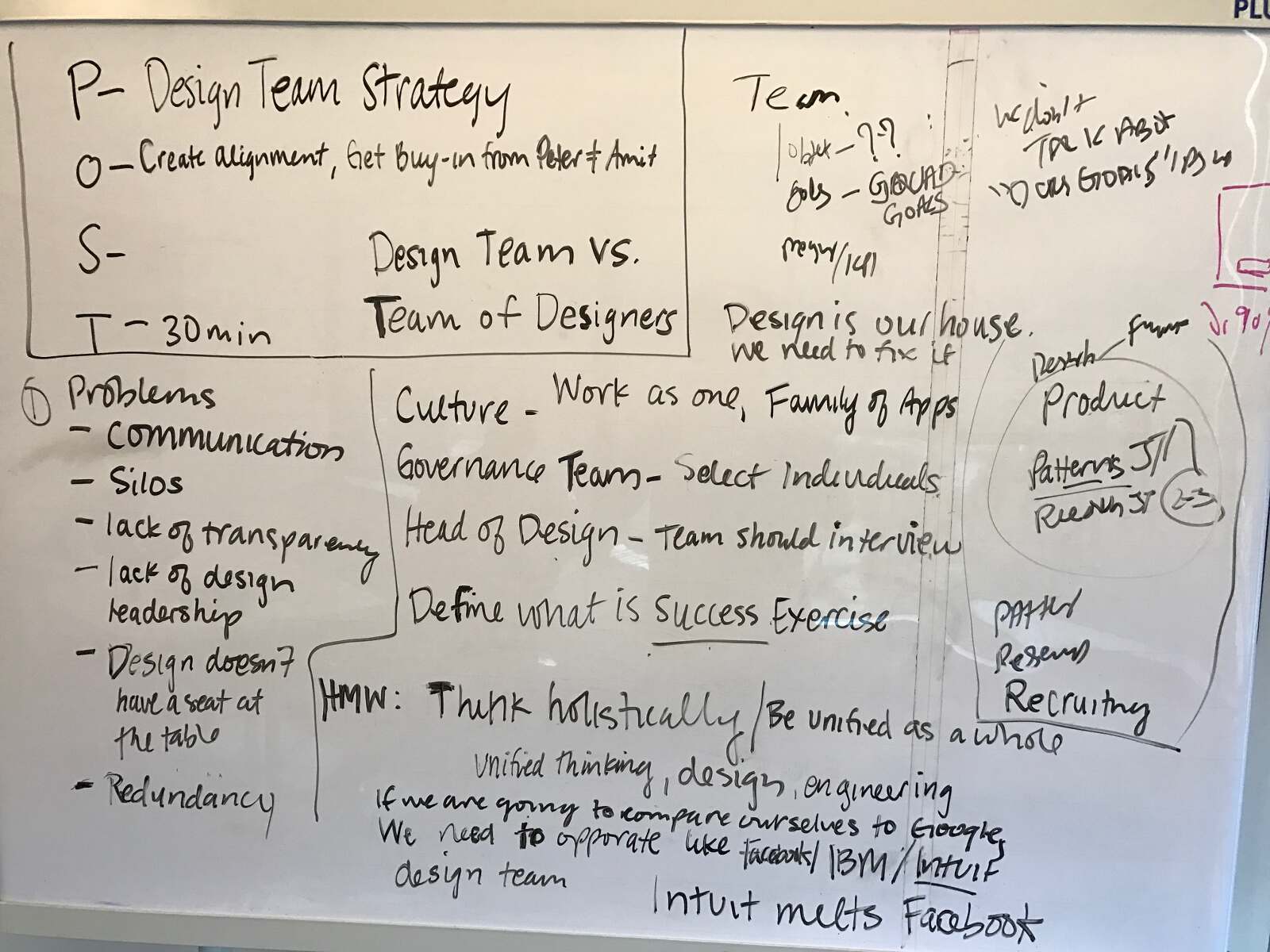
 User Experience Director
Led a team of 5 · hands-on
Diagnosed a design org split into teams of one, then unified it into a single design team.
5designers, one shared team40 / 60explore and support split
Read the case study
04
User Experience Director
Led a team of 5 · hands-on
Diagnosed a design org split into teams of one, then unified it into a single design team.
5designers, one shared team40 / 60explore and support split
Read the case study
04
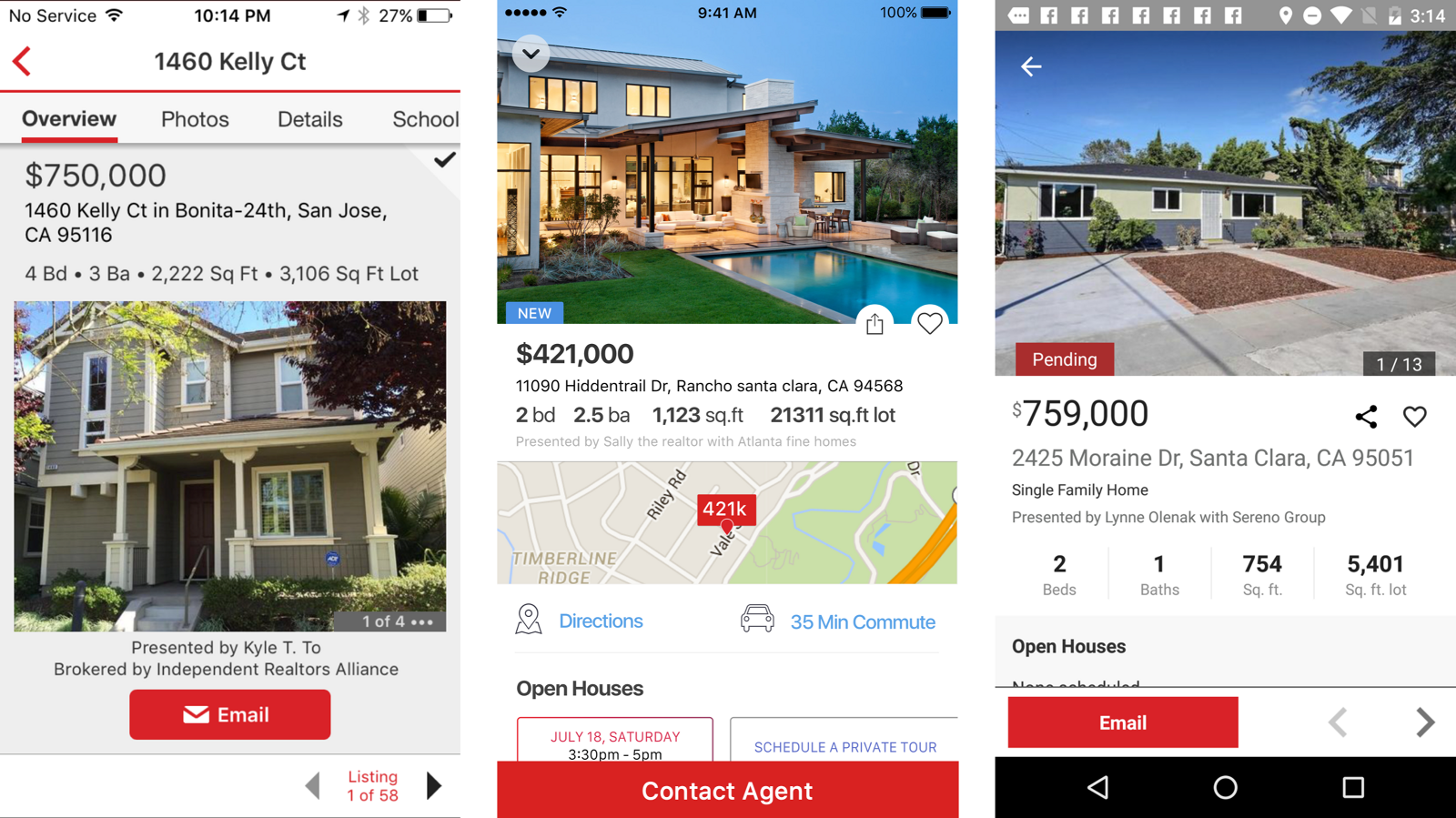
 Director of Experience Design
Led a team of 6 · hands-on
Directed experience design across for-sale and rental search.
6designers led3 yearsold iOS app rebuilt in Swift
Read the case study
05
Director of Experience Design
Led a team of 6 · hands-on
Directed experience design across for-sale and rental search.
6designers led3 yearsold iOS app rebuilt in Swift
Read the case study
05
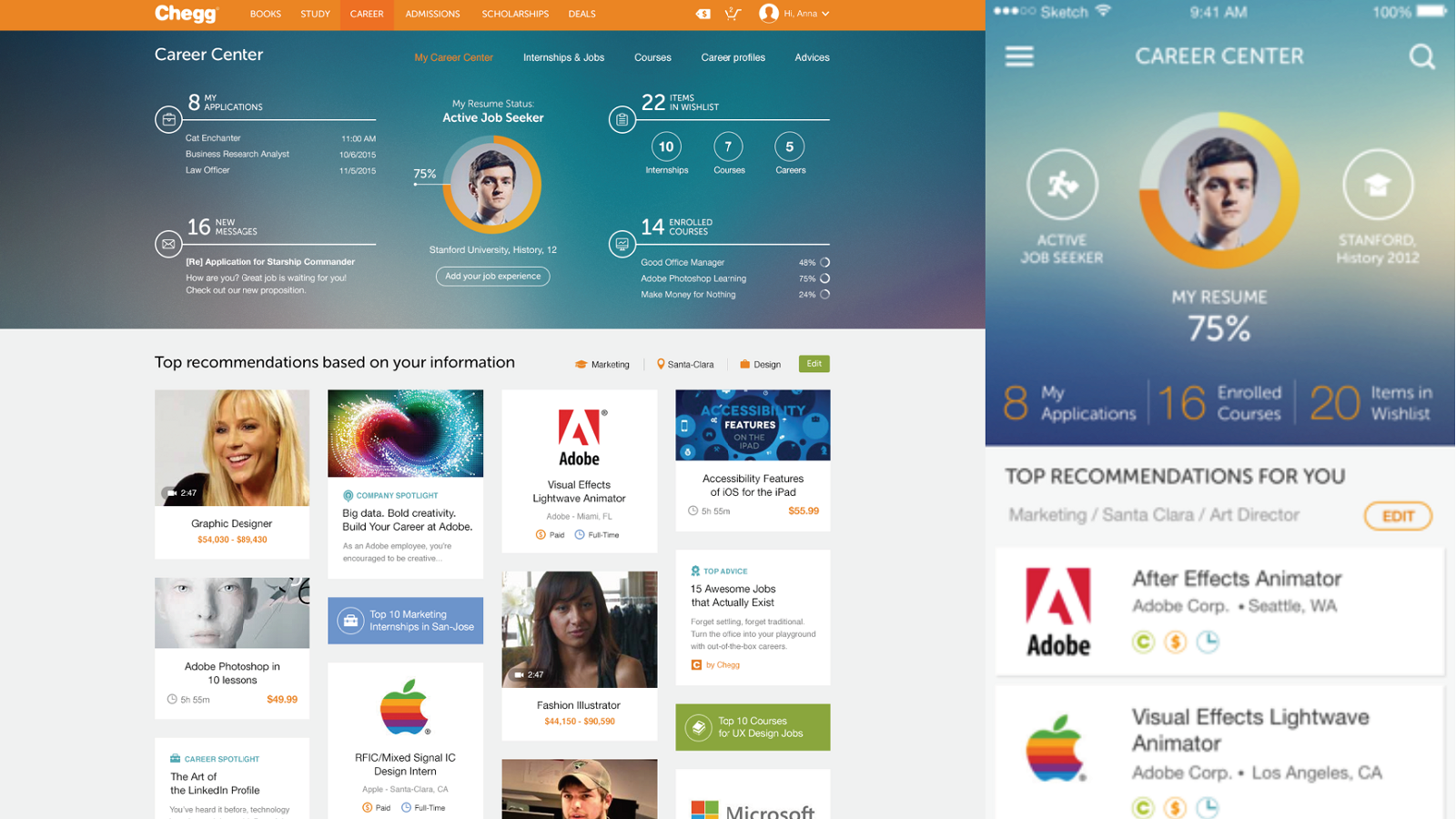
 UX Design Manager
Led a team of 6 · first team I managed
Earned and grew the first team I managed, across career readiness, course discovery and college admissions.
50%more offshore team output3verticals led
Earning a team
UX Design Manager
Led a team of 6 · first team I managed
Earned and grew the first team I managed, across career readiness, course discovery and college admissions.
50%more offshore team output3verticals led
Earning a team
Additional product work at Amazon, Cisco, and Citrix, plus early-stage startups.
How I lead through the work
Set the standard on the hardest surface
I take the ambiguous, highest-risk surface myself first, the one where nobody can yet describe what good looks like, and ship a real artifact that defines the bar. Then the team has something to argue with instead of a brief.
Make the standard reproducible
Craft that lives in one designer's head doesn't scale. I convert decisions into design systems, documented patterns, and named states, including the unglamorous ones: empty, uncertain, degraded, refused.
Close the gap with engineering
I prototype in code with Claude and Claude Code, Cursor, ChatGPT, and Figma Make so handoff is a conversation about behavior, not a spec review. Engineers get intent they can read; design gets feasibility early enough to matter.
Argue in outcomes, not taste
I frame design decisions in the terms the business already uses: time-to-insight, trust, adoption, deal risk. That's how design earns a seat in strategy rather than a review slot at the end.
What the people I managed said
Recommendations from designers who reported to me directly, quoted from LinkedIn. Three companies, six years apart.
“Shafeen was both a great design manager and people manager. That combination isn’t always the easiest to find. As a design manager, he provided guidance in my work, but also the freedom to explore and push boundaries. As a people manager, he was invested in my professional development and found opportunities for me to shine.”
“During that time I learned a lot from him what it meant to have (and how to be) a great leader, who worked hard to champion his team. Shafeen nurtured a healthy culture within the team and company. He constantly challenged us to push the envelope, and at the same time he advocated for the most efficient design.”
“Shafeen was able to bring a diverse team of designers & consultants together. He is excited about great product design as well as growth of each individual in his team. I always looked forward to our 1on1s for his great insight into my work, best practices, and development as a designer.”
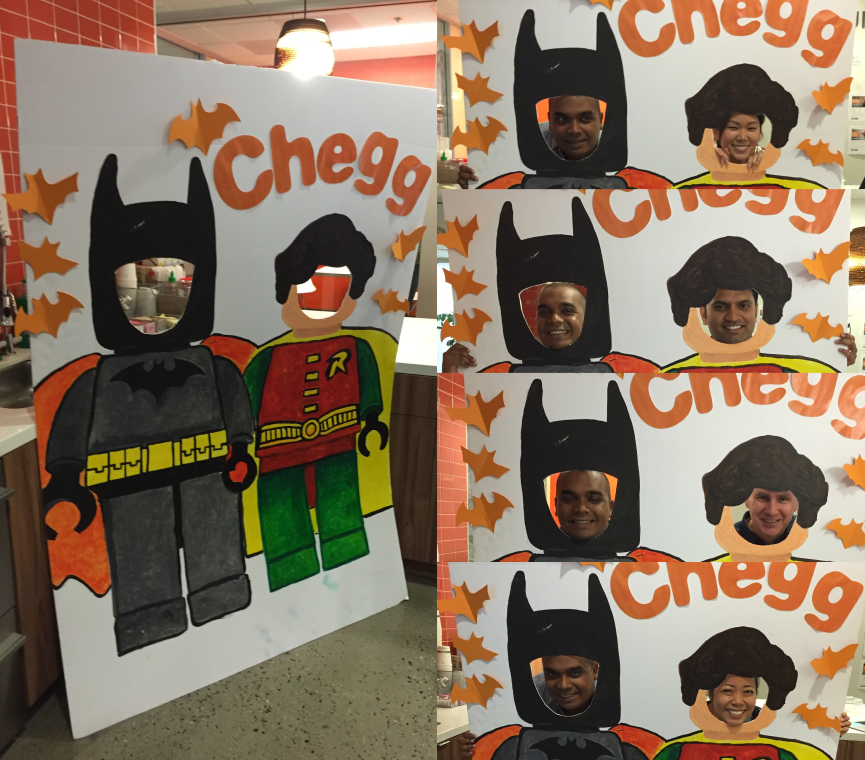
What I hold myself to
Eight qualities I practiced while managing designers, and look for in the leaders I want to work with.
Self-awareness
A genuine desire to learn and grow, professionally and personally. The people worth following are still changing their minds about things.
Composure
Control over their own emotions, and the ability to mediate conflict between others rather than absorb it or escalate it.
Compassion
A constructive drive to help other people grow and succeed, which is different from being nice to them.
Culture
A desire to build healthy teams and treat everyone with respect, including the people it would be easy not to.
Dependability
Reliable, and open and honest in communication. Predictable in the ways that let other people plan.
Courage
The courage to champion other people, and the conviction to champion a mission when it is unpopular.
Perspective
The ability to see the whole picture, prioritize the goals that matter, and set conditions where everyone can succeed.
Delivery
The skill to keep the plates spinning and deliver on time, without burning out the team to do it.